get in touch

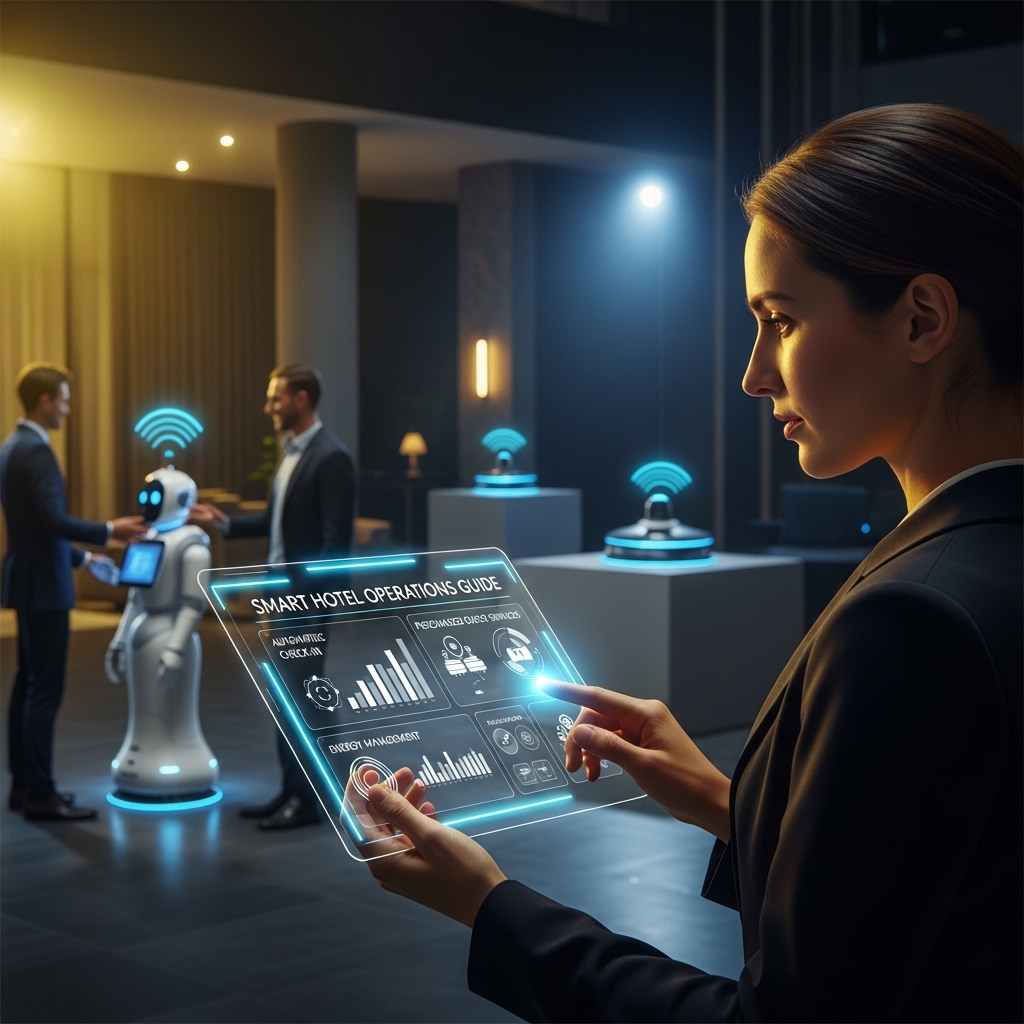
Smart hotel operations guide
**Smart Hotel Operations: A Comprehensive Guide to Enhance Guest Experience and Increase Revenue**
As the hospitality industry continues to evolve, hotels are under pressure to provide exceptional guest experiences while maintaining high levels of efficiency and profitability. With the rise of digital technologies, hotels can now leverage smart hotel operations to streamline their services, improve guest satisfaction, and boost revenue. In this comprehensive guide, we will explore the latest trends and best practices in smart hotel operations, providing you with the insights you need to stay ahead of the competition.
**Understanding Smart Hotel Operations**
Smart hotel operations refer to the integration of technology and data analytics to optimize hotel operations, enhance guest experiences, and increase revenue. This involves the use of various technologies, including:
* Property management systems (PMS)
* Hotel management systems (HMS)
* Customer relationship management (CRM) software
* Data analytics and business intelligence tools
* Mobile apps and guest engagement platforms
By leveraging these technologies, hotels can automate and streamline various processes, such as:
* Front desk operations
* Housekeeping and maintenance
* Food and beverage services
* Guest communication and feedback
* Revenue management and pricing
**Benefits of Smart Hotel Operations**
The benefits of smart hotel operations are numerous and far-reaching. By implementing smart hotel operations, hotels can:
* Improve guest satisfaction by providing personalized services and experiences
* Increase revenue by optimizing room rates, inventory, and pricing
* Enhance operational efficiency by automating and streamlining processes
* Reduce costs by minimizing labor and energy consumption
* Gain valuable insights and data to inform business decisions
**Key Components of Smart Hotel Operations**
While smart hotel operations involve the integration of various technologies, there are several key components that are essential to its success. These include:
* **Guest Profiling**: The collection and analysis of guest data to create personalized profiles and enhance guest experiences.
* **Mobile Check-in and Check-out**: The use of mobile apps to streamline the check-in and check-out process, reducing wait times and improving guest satisfaction.
* **Automated Housekeeping**: The use of sensors and automation to optimize housekeeping operations, reducing labor costs and improving guest satisfaction.
* **Real-time Feedback and Analytics**: The use of data analytics and feedback tools to monitor and improve hotel operations in real-time.
* **Revenue Management**: The use of data analytics and pricing algorithms to optimize room rates, inventory, and pricing.
**Best Practices for Implementing Smart Hotel Operations**
While implementing smart hotel operations can be complex and challenging, there are several best practices that can help ensure a successful implementation. These include:
* **Conduct a thorough needs assessment**: Identify the specific needs and goals of your hotel and develop a strategy to address them.
* **Choose the right technology**: Select the right technologies and solutions to meet your hotel's specific needs and goals.
* **Train staff and guests**: Provide training and support to ensure that staff and guests are comfortable and familiar with the new technologies and processes.
* **Monitor and adjust**: Continuously monitor and adjust your smart hotel operations to ensure that they are meeting your hotel's needs and goals.
* **Foster a culture of innovation**: Encourage a culture of innovation and experimentation, and be open to new ideas and approaches.
**Frequently Asked Questions**
**Q: What are the benefits of smart hotel operations?**
A: The benefits of smart hotel operations include improved guest satisfaction, increased revenue, enhanced operational efficiency, reduced costs, and valuable insights and data.
**Q: What are the key components of smart hotel operations?**
A: The key components of smart hotel operations include guest profiling, mobile check-in and check-out, automated housekeeping, real-time feedback and analytics, and revenue management.
**Q: How can I get started with smart hotel operations?**
A: To get started with smart hotel operations, conduct a thorough needs assessment, choose the right technology, train staff and guests, monitor and adjust, and foster a culture of innovation.
**Conclusion**
Smart hotel operations are a critical component of any successful hotel operation. By leveraging technology and data analytics, hotels can improve guest satisfaction, increase revenue, and enhance operational efficiency. By following the best practices outlined in this guide, you can ensure a successful implementation of smart hotel operations and stay ahead of the competition.
At daffodilsmedia.com/vyda1/, we are committed to helping hotels succeed in the ever-changing hospitality landscape. Our team of experts can provide you with the guidance and support you need to implement smart hotel operations and achieve your goals. Contact us today to learn more.
**Additional Resources**
* [daffodilsmedia.com/vyda1/Smart-Hotel-Operations](https://vydahotels.com/Smart-Hotel-Operations – Learn more about the latest trends and best practices in smart hotel operations.
* [daffodilsmedia.com/vyda1/Guest-Experience-Management](https://vydahotels.com/Guest-Experience-Management – Discover how to improve guest satisfaction and loyalty through effective guest experience management.
* [daffodilsmedia.com/vyda1/Revenue-Management](https://vydahotels.com/Revenue-Management – Learn how to optimize room rates, inventory, and pricing to increase revenue and profitability.
VYDA Hotels Assistant
×Welcome to VYDA Hotels! Plan your premium experience with us directly below:
Room Booking Enquiry
Event / MICE Booking Enquiry