get in touch

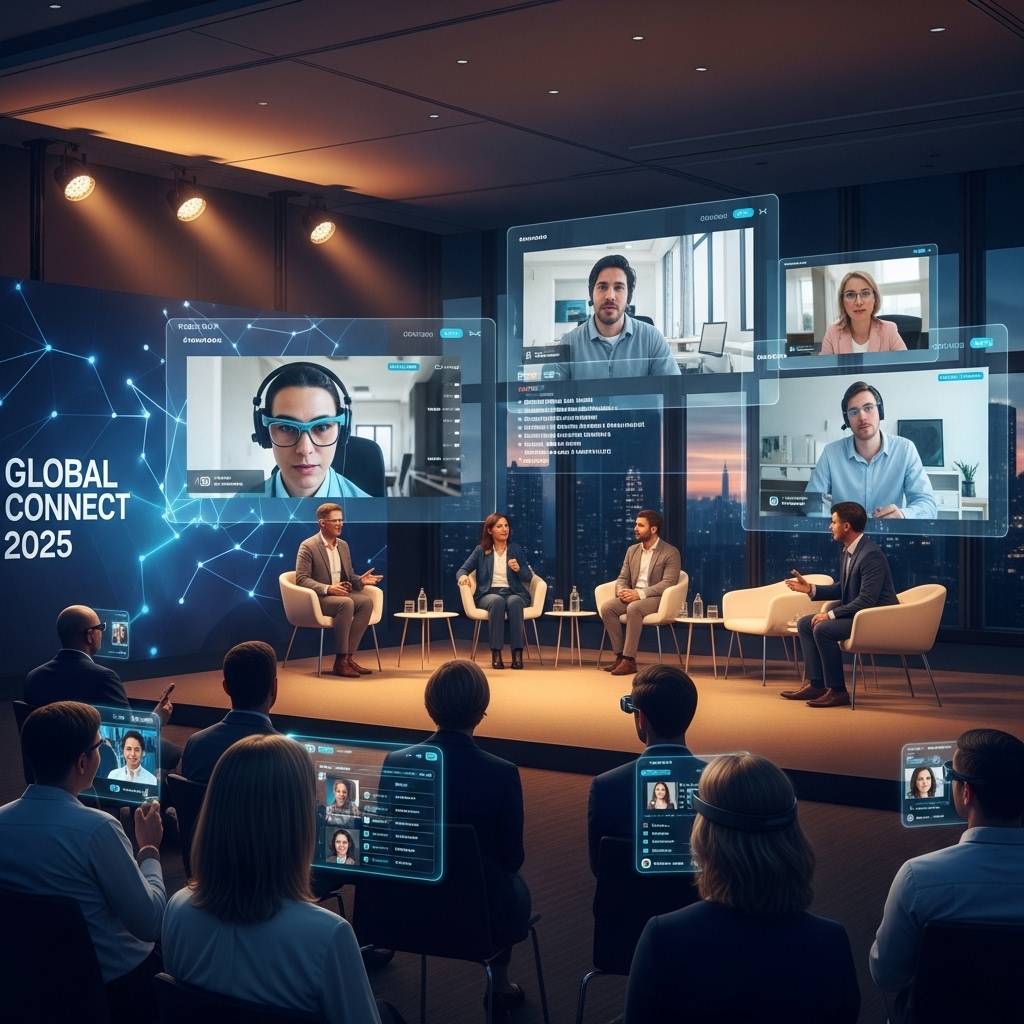
Hybrid event trends in 2025
Hybrid Event Trends in 2025: The Future of Meetings and Conferences
As the world continues to evolve, so do the ways in which we connect and communicate with each other. In the meetings and events industry, hybrid events have become the new norm, offering a unique blend of in-person and virtual experiences. As we look to the future, it’s clear that hybrid events will play a major role in shaping the way we attend and participate in conferences, trade shows, and other gatherings.
In this article, we’ll explore the latest trends and insights on hybrid events in 2025, and what they mean for event planners, attendees, and organizers alike.
The Rise of Hybrid Events
In recent years, the rise of virtual events has changed the game for event planners and attendees alike. With the ability to attend events from anywhere in the world, virtual events have opened up new possibilities for connection and collaboration. However, as we move into 2025, it’s clear that hybrid events will continue to play a major role in the events landscape.
According to a recent survey by Vyda Hotels, 75% of event planners expect to incorporate more hybrid elements into their events in the next two years. This shift is driven by the desire to offer attendees a more engaging and interactive experience, while also providing a more cost-effective and sustainable option for event organizers.
Key Trends in Hybrid Events
So, what can we expect from hybrid events in 2025? Here are a few key trends to watch:
- Increased Focus on Virtual Reality: As VR technology continues to improve, we can expect to see more hybrid events incorporating immersive VR experiences. From virtual tours to interactive exhibits, VR will play a major role in enhancing the attendee experience.
- More Flexible Scheduling: With the rise of remote work and digital communication, attendees are increasingly looking for flexible scheduling options. Expect to see more hybrid events offering flexible start times, virtual networking sessions, and on-demand content.
- Personalization and Customization: As event planners look for ways to stand out from the crowd, personalization and customization will become key differentiators. Expect to see more hybrid events offering personalized content, customized agendas, and tailored networking opportunities.
- Sustainability and Accessibility: As event planners and attendees become more environmentally conscious, hybrid events will increasingly focus on sustainability and accessibility. Expect to see more events incorporating eco-friendly practices, virtual accessibility options, and inclusive programming.
Benefits of Hybrid Events
So, what are the benefits of hybrid events? Here are just a few:
- Increased Reach and Participation: Hybrid events offer the ability to reach a wider audience, with attendees from around the world able to participate remotely.
- Cost Savings: By incorporating virtual elements, hybrid events can reduce costs associated with travel, accommodation, and venue rental.
- Improved Engagement: Hybrid events offer a more engaging and interactive experience, with attendees able to participate in virtual discussions, Q&A sessions, and networking opportunities.
- Enhanced Sustainability: By reducing the need for physical travel, hybrid events can help reduce their carbon footprint and promote a more sustainable events industry.
Challenges and Considerations
While hybrid events offer many benefits, there are also several challenges and considerations to keep in mind:
- Technical Issues: With the increased reliance on technology, hybrid events can be vulnerable to technical issues such as connectivity problems, audio delays, and video glitches.
- Time Zones and Scheduling: With attendees from around the world, hybrid events can be challenging to schedule and coordinate.
- Content and Programming: Hybrid events require careful planning and programming to ensure that both in-person and virtual attendees receive a high-quality experience.
- Budget and Resources: Hybrid events can be resource-intensive, requiring significant investment in technology, staffing, and marketing.
Frequently Asked Questions
Q: What is the difference between a hybrid event and a virtual event?
A: A hybrid event combines in-person and virtual elements, offering attendees the option to participate remotely or in-person. A virtual event, on the other hand, is entirely online and does not offer an in-person component.
Q: How do I plan a hybrid event?
A: Planning a hybrid event requires careful consideration of logistics, technology, and programming. Start by identifying your event goals and objectives, and then develop a comprehensive plan that includes virtual and in-person elements.
Q: What are some best practices for hybrid event design?
A: Some best practices for hybrid event design include incorporating interactive elements, using clear and concise language, and providing clear instructions for virtual attendees. It’s also important to ensure that all content is accessible and inclusive.
Conclusion
As we look to the future of hybrid events, it’s clear that this format will continue to play a major role in the events industry. By incorporating virtual reality, flexible scheduling, personalization, and sustainability, hybrid events will offer attendees a more engaging and interactive experience. While there are challenges and considerations to keep in mind, the benefits of hybrid events far outweigh the drawbacks.
At Vyda Hotels, we’re committed to helping event planners and organizers create unforgettable hybrid events. Whether you’re looking for guidance on planning and programming, or simply need a reliable and experienced partner to help bring your vision to life, we’re here to help. Contact us today to learn more about our hybrid event services and how we can help you create a truly unforgettable experience.
Internal Link: Vyda Hotels’ Hybrid Event Services
By incorporating hybrid events into your planning, you’ll be able to offer attendees a more engaging and interactive experience, while also reducing costs and promoting sustainability. Whether you’re an event planner, organizer, or attendee, hybrid events are the future of meetings and conferences.
VYDA Hotels Assistant
×Welcome to VYDA Hotels! Plan your premium experience with us directly below:
Room Booking Enquiry
Event / MICE Booking Enquiry