get in touch

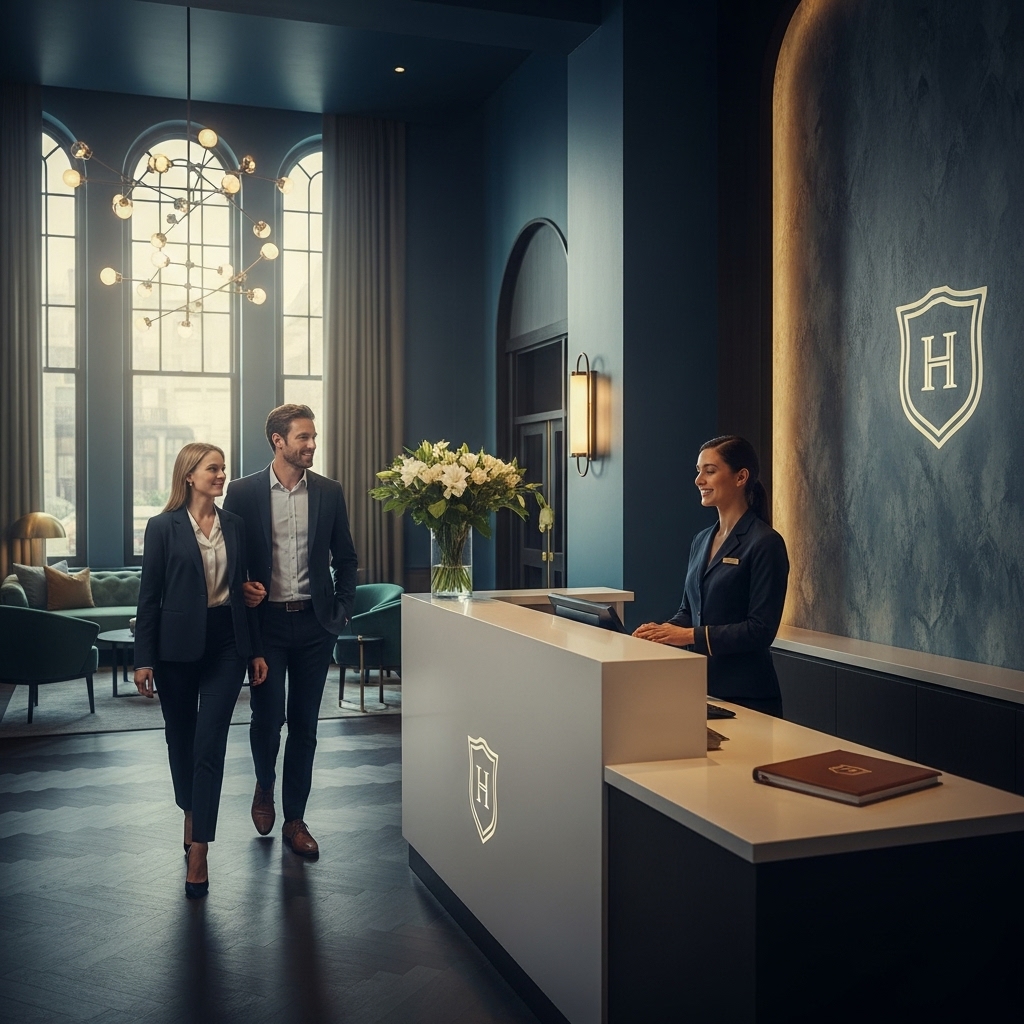
Rebranding strategies for hotels
Rebranding Strategies for Hotels: A Guide to Revitalizing Your Property’s Image
As a hotel owner or manager, you’re likely aware of the importance of maintaining a strong brand identity in today’s competitive hospitality market. A rebranding strategy can be a powerful tool in revitalizing your property’s image, attracting new guests, and increasing revenue. However, rebranding can be a complex and daunting task, especially for those without prior experience. In this article, we’ll explore the top rebranding strategies for hotels, providing you with the knowledge and tools you need to successfully rebrand your property.
Understanding the Need for Rebranding
Before we dive into the strategies, it’s essential to understand why rebranding may be necessary for your hotel. Perhaps your property has seen a decline in occupancy rates, or your target audience has shifted. Maybe your brand has become outdated, or your competitors have stolen your thunder. Whatever the reason, rebranding can help you:
- Refresh your image and appeal to new guests
- Increase brand awareness and recognition
- Differentiate yourself from competitors
- Improve customer loyalty and retention
Identifying Your Target Audience
The first step in any rebranding strategy is to identify your target audience. Who are your ideal guests? What are their needs, preferences, and pain points? By understanding your target audience, you can tailor your rebranding efforts to meet their needs and expectations.
- Conduct market research to gather insights about your target audience
- Analyze your competitors and identify gaps in the market
- Develop buyer personas to guide your rebranding strategy
Developing a Unique Value Proposition
Your unique value proposition (UVP) is the unique benefit that sets your hotel apart from others. It’s what makes your property stand out in a crowded market and what will attract guests to your hotel.
- Conduct a competitor analysis to identify gaps in the market
- Develop a list of unique features and amenities that set your hotel apart
- Craft a compelling UVP statement that resonates with your target audience
Rebranding Strategies for Hotels
Now that you’ve identified your target audience and developed your UVP, it’s time to implement your rebranding strategy. Here are some effective rebranding strategies for hotels:
- Rebranding Your Visual Identity: Update your logo, color scheme, and typography to create a fresh and modern look.
- Refreshing Your Brand Messaging: Develop a new tagline, slogan, or mission statement that communicates your UVP and resonates with your target audience.
- Updating Your Website and Social Media: Ensure your online presence is consistent with your new brand identity and provides a seamless user experience.
- Introducing New Amenities and Services: Introduce new amenities and services that cater to your target audience’s needs and expectations.
- Partnering with Local Businesses and Organizations: Collaborate with local businesses and organizations to create mutually beneficial partnerships and promotions.
Measuring Success
Rebranding is not a one-time event, but an ongoing process that requires continuous evaluation and improvement. To measure the success of your rebranding strategy, track key performance indicators (KPIs) such as:
- Occupancy rates
- Average daily rate (ADR)
- Revenue per available room (RevPAR)
- Social media engagement
- Customer satisfaction ratings
Frequently Asked Questions
Q: How long does a rebranding strategy typically take?
A: The length of a rebranding strategy can vary depending on the scope and complexity of the project. However, a typical rebranding strategy can take anywhere from 6-18 months to complete.
Q: How much does a rebranding strategy cost?
A: The cost of a rebranding strategy can vary depending on the scope and complexity of the project. However, a typical rebranding strategy can cost anywhere from $10,000 to $100,000 or more.
Q: Will rebranding my hotel affect my existing customer base?
A: Rebranding your hotel can potentially affect your existing customer base, especially if the changes are significant. However, a well-planned rebranding strategy can also attract new customers and increase customer loyalty.
Conclusion
Rebranding your hotel can be a powerful tool in revitalizing your property's image, attracting new guests, and increasing revenue. By understanding your target audience, developing a unique value proposition, and implementing effective rebranding strategies, you can create a strong brand identity that sets your hotel apart from others. Remember to continuously evaluate and improve your rebranding strategy to ensure long-term success.
At daffodilsmedia.com/vyda1/, we specialize in helping hotels develop effective rebranding strategies that drive results. Our team of experts can help you identify your target audience, develop a unique value proposition, and implement a comprehensive rebranding strategy that meets your needs and exceeds your expectations. Contact us today to learn more about our rebranding services.
VYDA Hotels Assistant
×Welcome to VYDA Hotels! Plan your premium experience with us directly below:
Room Booking Enquiry
Event / MICE Booking Enquiry