get in touch

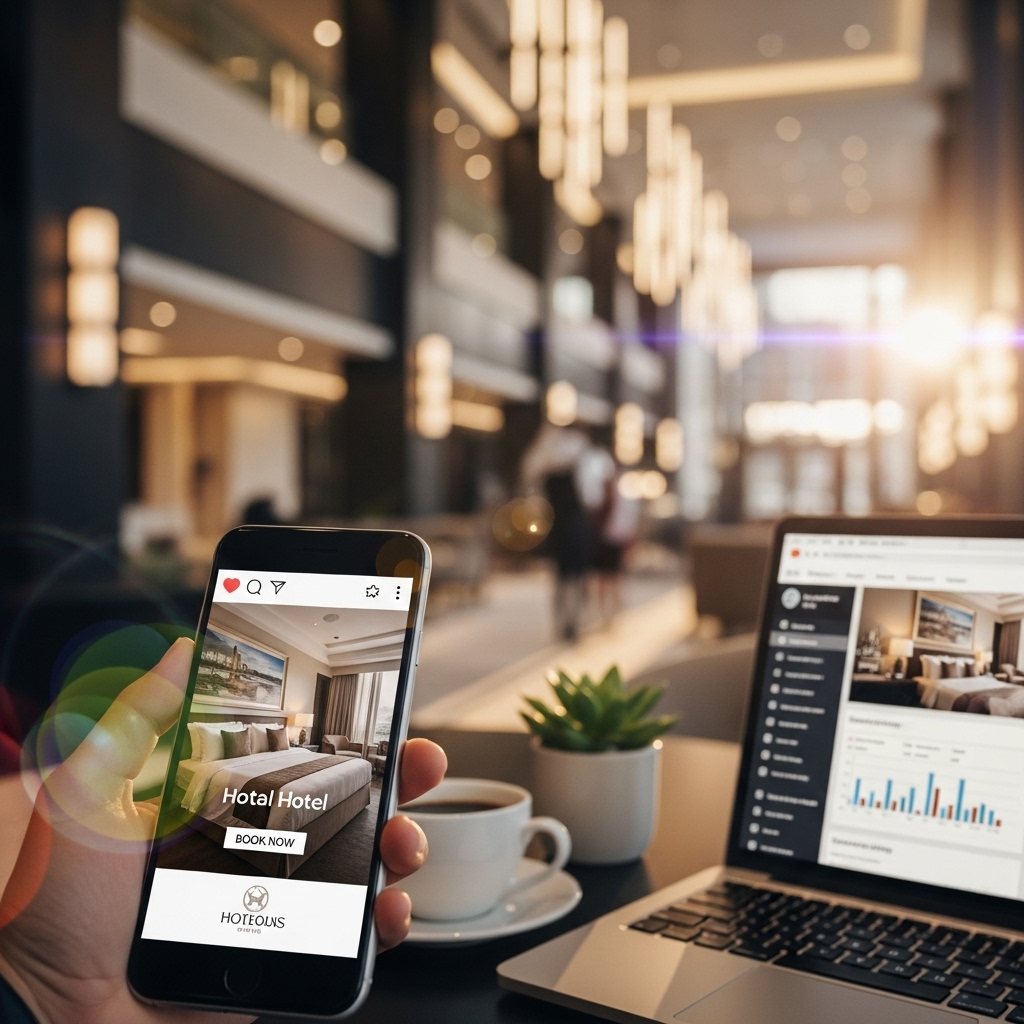
Digital marketing for hotels
Digital Marketing for Hotels: A Guide to Boosting Bookings and Revenue
As a hotel owner or manager, you’re well aware of the importance of digital marketing in today’s competitive hospitality industry. With the rise of online booking platforms and social media, it’s more crucial than ever to have a solid online presence that attracts and engages potential guests. Unfortunately, many hotels struggle to keep up with the ever-changing digital landscape, leading to missed opportunities and lost revenue. In this comprehensive guide, we’ll explore the world of digital marketing for hotels, providing you with the tools and strategies you need to boost bookings and revenue.
Why Digital Marketing Matters for Hotels
Before we dive into the specifics, let’s take a step back and focus on why digital marketing is so vital for hotels. Here are a few key statistics to consider:
- 67% of travelers use online travel agencies (OTAs) to book their accommodations (Source: Skift)
- 70% of travelers use search engines to research and book hotels (Source: Google)
- 80% of travelers consider hotel social media profiles when making booking decisions (Source: Hospitality Technology)
These statistics highlight the importance of having a strong online presence, particularly in terms of search engine optimization (SEO) and social media marketing. By investing in digital marketing, hotels can increase their visibility, drive more bookings, and ultimately boost revenue.
Search Engine Optimization (SEO) for Hotels
SEO is the process of optimizing your hotel’s website and online presence to rank higher in search engine results pages (SERPs) for specific keywords and phrases. This is crucial for hotels, as it allows them to attract potential guests who are actively searching for accommodations in their area. Here are a few key SEO strategies for hotels:
- Keyword Research: Identify the most relevant and high-traffic keywords for your hotel, such as “luxury hotels in [city]” or “beachfront hotels in [state]”.
- On-Page Optimization: Ensure your hotel’s website is optimized for search engines by including relevant keywords in meta tags, titles, and descriptions.
- Local SEO: Claim and optimize your hotel’s Google My Business listing, as this is often the first result that appears in search results for local queries.
- Content Creation: Create high-quality, engaging content on your hotel’s website and blog, including articles, videos, and images.
Social Media Marketing for Hotels
Social media is a powerful tool for hotels, allowing them to engage with potential guests, share updates and promotions, and build brand awareness. Here are a few key social media strategies for hotels:
- Content Calendar: Plan and schedule content in advance using a content calendar, ensuring consistency and variety across all social media platforms.
- Visual Content: Use high-quality images and videos to showcase your hotel’s amenities, rooms, and services, as well as the local area and attractions.
- Engagement: Respond to comments and messages promptly, and use social listening to stay on top of industry trends and guest concerns.
- Influencer Partnerships: Collaborate with local influencers and bloggers to promote your hotel and reach new audiences.
Email Marketing for Hotels
Email marketing is a highly effective way for hotels to nurture relationships with existing guests, promote special offers and packages, and drive bookings. Here are a few key email marketing strategies for hotels:
- Welcome Email: Send a welcome email to new subscribers, introducing them to your hotel and its amenities.
- Nurture Campaigns: Create targeted email campaigns to nurture leads and encourage bookings, such as abandoned cart reminders and special offer promotions.
- Newsletters: Send regular newsletters to subscribers, featuring updates on hotel news, promotions, and events.
Measuring Success and ROI
As with any marketing effort, it’s essential to measure the success and return on investment (ROI) of your digital marketing campaigns. Here are a few key metrics to track:
- Website Traffic: Monitor the number of visitors to your hotel’s website, as well as the bounce rate and average session duration.
- Conversion Rates: Track the number of bookings and inquiries generated from your digital marketing efforts.
- Return on Investment (ROI): Calculate the ROI of your digital marketing campaigns by dividing the revenue generated by the cost of the campaign.
Frequently Asked Questions
Q: What is the most important digital marketing strategy for hotels?
A: SEO is often the most important digital marketing strategy for hotels, as it allows them to attract potential guests who are actively searching for accommodations in their area.
Q: How do I optimize my hotel’s website for mobile devices?
A: Ensure your hotel’s website is mobile-friendly by using responsive design, optimizing images and videos for mobile devices, and testing the website on various devices.
Q: What is the best way to measure the success of my hotel’s digital marketing campaigns?
A: Track key metrics such as website traffic, conversion rates, and ROI to measure the success of your hotel’s digital marketing campaigns.
Conclusion
In conclusion, digital marketing is a crucial component of any hotel's marketing strategy, allowing them to attract and engage potential guests, drive bookings, and boost revenue. By implementing SEO, social media marketing, email marketing, and measuring success and ROI, hotels can stay ahead of the competition and thrive in today's digital landscape. At daffodilsmedia.com/vyda1/, we're dedicated to helping hotels succeed in the digital age, providing expert guidance and support to help you achieve your marketing goals.
Ready to boost your hotel’s digital marketing efforts? Contact us today to learn more about our services and how we can help you drive bookings and revenue.
VYDA Hotels Assistant
×Welcome to VYDA Hotels! Plan your premium experience with us directly below:
Room Booking Enquiry
Event / MICE Booking Enquiry